Gravitational Updates Simplify Kubernetes Deployments

Gravitational has updated its open source packaging tool for deploying Kubernetes clusters to enable packaging multiple Kubernetes applications into a single image file that can be replicated across multiple clusters.
In addition, version 5.5 of the Gravity packaging tool for Kubernetes has been integrated with Helm, the open source packaging tool being developed under the auspices of the Cloud Native Computing Foundation (CNCF). That capability will make it simpler for DevOps teams employ Gravity as an extension to a Helm project that is starting to be widely adopted by IT teams that have adopted Kubernetes, says Gravitational CEO Ev Kontsevoy.

Gravity extends Helm by enabling IT teams to take a snapshot of a Kubernetes cluster, including all applications and security dependencies, and package it all into a single file that can be installed into any public or private cloud easily, regardless of whether it is deployed on top of virtual machine or bare-metal server, Kontsevoy says. That approach also serves to make it much easier to support Kubernetes applications that increasingly are being deployed in multi-cloud computing environments—which is more challenging than ever because, unlike traditional applications, most cloud-native applications don’t fit neatly within a single virtual machine, he notes.
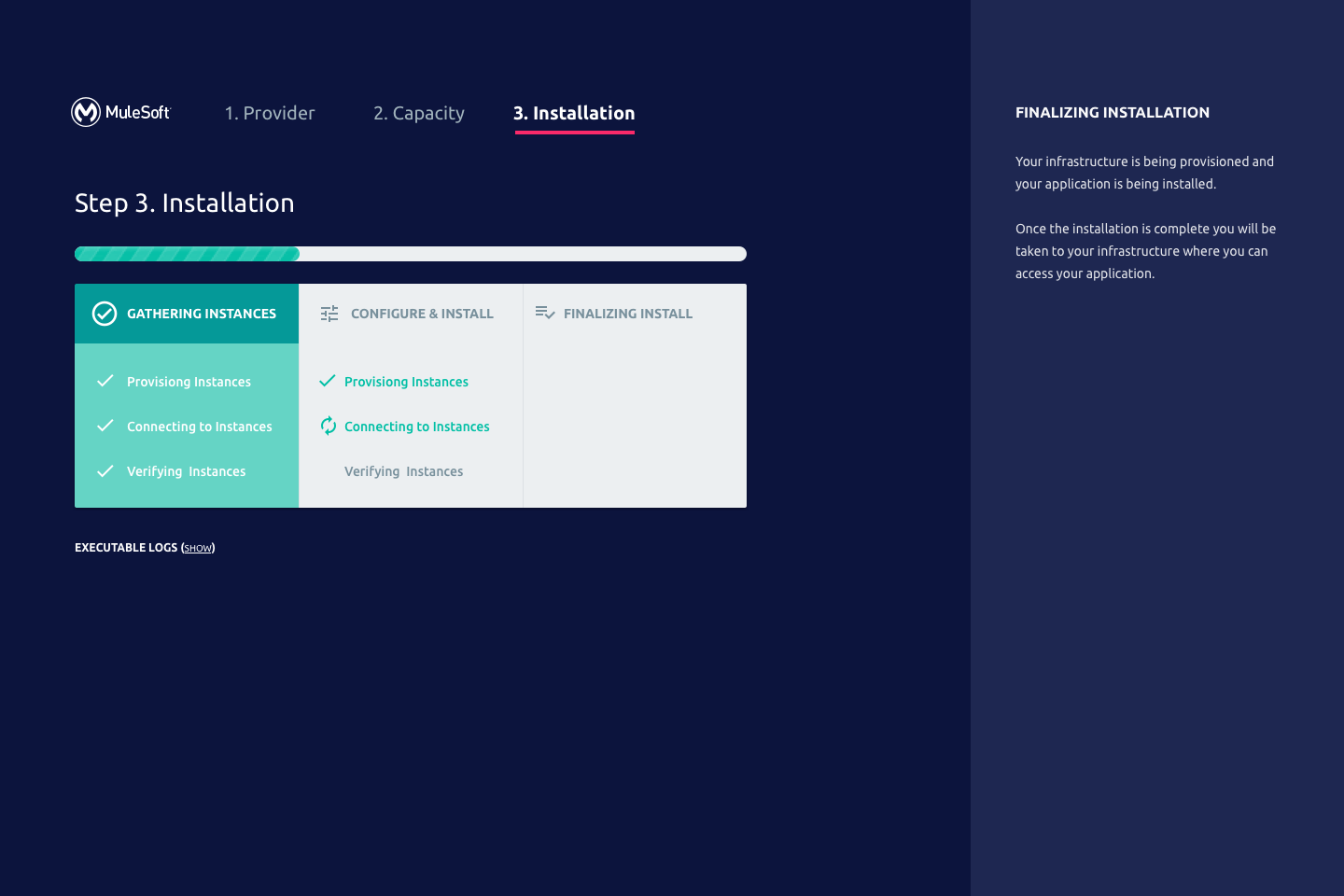
Kontsevoy says organizations that use Gravity could see a dramatic decrease in the operational overhead associated with deploying Kubernetes applications and clusters—critical because of the potential for Kubernetes sprawl. Even though the clusters are intended to be multi-tenant, there’s a tendency for developers to spin up their own clusters running in different locations anywhere. Gravity provides IT teams tasked with deploying and managing those clusters an easier way to provision clusters and applications at scale. Of course, as a prerequisite for managing Kubernetes at scale, IT organizations would be well-advised to stick to deploying vanilla instances that don’t incorporate any proprietary extensions, he notes.
Adoption of cloud-native applications based on containers running on Kubernetes will require IT organizations to confront a variety of IT process issues. While it’s possible to deploy Kubernetes clusters without embracing best DevOps practices, it’s not feasible for IT organizations to manage those applications at scale relying on legacy processes. The goal is to create a frictionless process for provisioning Kubernetes clusters that serves to make the IT operations team more agile, says Kontsevoy.
In the meantime, tools such as Gravity will make it easier for IT teams to adopt Kubernetes. While Kubernetes use is already widespread, the number of application workloads deployed on Kubernetes as a percentage of the applications in an enterprise IT environment is still relatively slight. The easier it becomes to spin up Kubernetes clusters, the faster the rate at which cloud-native applications will be deployed within those enterprise IT environments. In fact, the rate at which those applications are being developed inside many IT organizations is already outstripping the ability of IT operations teams to keep pace.