Docker Inc. Delivers on Enterprise Promise

Docker Inc. has made Docker Enterprise 3.0 generally available, after 2,000 developers and IT professionals participated in a beta testing process.
The latest version of Docker Enterprise is at the core of Docker Inc.’s strategy to make Kubernetes more accessible to the average IT administrator while making it easier for organizations to build and deploy containerized applications.

Docker Enterprise 3.0 gives organizations the option to deploy Kubernetes in place of Docker Inc.’s Swarm container orchestration engine. To achieve that goal, Docker Enterprise 3.0 includes Docker Kubernetes Service (DKS), a certified distribution of Kubernetes curated by Docker Inc.
 Jenny Fong, senior director of product marketing for Docker Inc., says the distribution of Kubernetes included in Docker Enterprise 3.0 has been extended to provide lifecycle automation tools that make securing and managing Kubernetes clusters a more intuitive, declarative process for IT administrators, rather ran using a software engineer to manage Kubernetes. IT operations teams via a command-line interface (CLI) can deploy, scale, back up and restore and upgrade Docker Enterprise clusters running in an on-premises IT environment or a public cloud, she says.
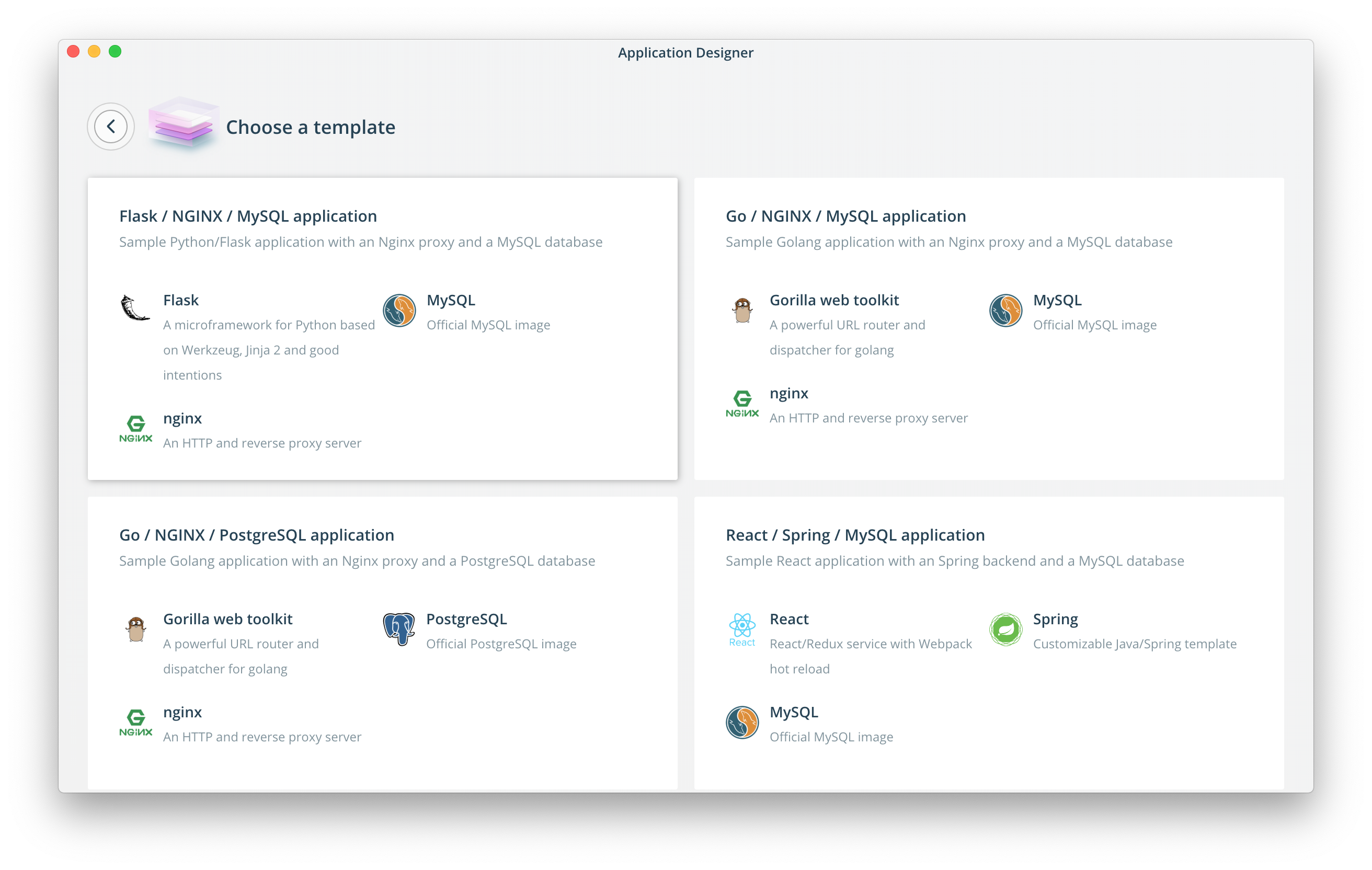
At the same time, Docker Inc. is squarely focused on making it easier to deploy and manage containerized applications on Docker Enterprise 3.0. Docker Application and associated templates are based on Cloud Native Application Bundles (CNAB), a specification being advanced by Docker Inc., Microsoft and others to simplify building, pushing out and deploying multi-container applications as self-contained objects. Templates make it easier for developers to build new container-based applications by reusing the same parameters.
The level of DevOps sophistication brought to bear on platforms for running containerized applications is likely to vary widely by organization. In some cases, entire Kubernetes clusters are managed by developers. Traditional enterprise IT organizations, however, often prefer infrastructure such as Kubernetes to be managed by IT operations teams. But that challenge those organizations face is that IT operations teams typically have limited programming skills, which makes adopting emerging platforms such as Kubernetes a challenge. Docker Inc. understands that making container platforms more accessible to both IT operations teams and traditional enterprise developers is an opportunity to differentiate the company in an already crowded field of competitors. Beyond providing the core platform, for example, Docker Inc. has already signaled its intent to provide a range of managed services so organizations can outsource the management of the IT infrastructure environment running containerized applications.
Of course, Docker Inc. is not the only vendor working to make containerized applications and the platforms they run on more accessible. While containers have been adopted widely, the percentage of application workloads running containers in the enterprise remains comparatively slight. By making the platforms on which containerized applications run more accessible, the rate at which containerized applications are likely to be deployed in production environments will only increase.