SAP Petitions CNCF to Add Gardener Container Project

SAP has formally proposed to the Cloud Native Computing Foundation (CNCF) that it take on the open source Gardener container project that would make it easier to manage Kubernetes at scale.
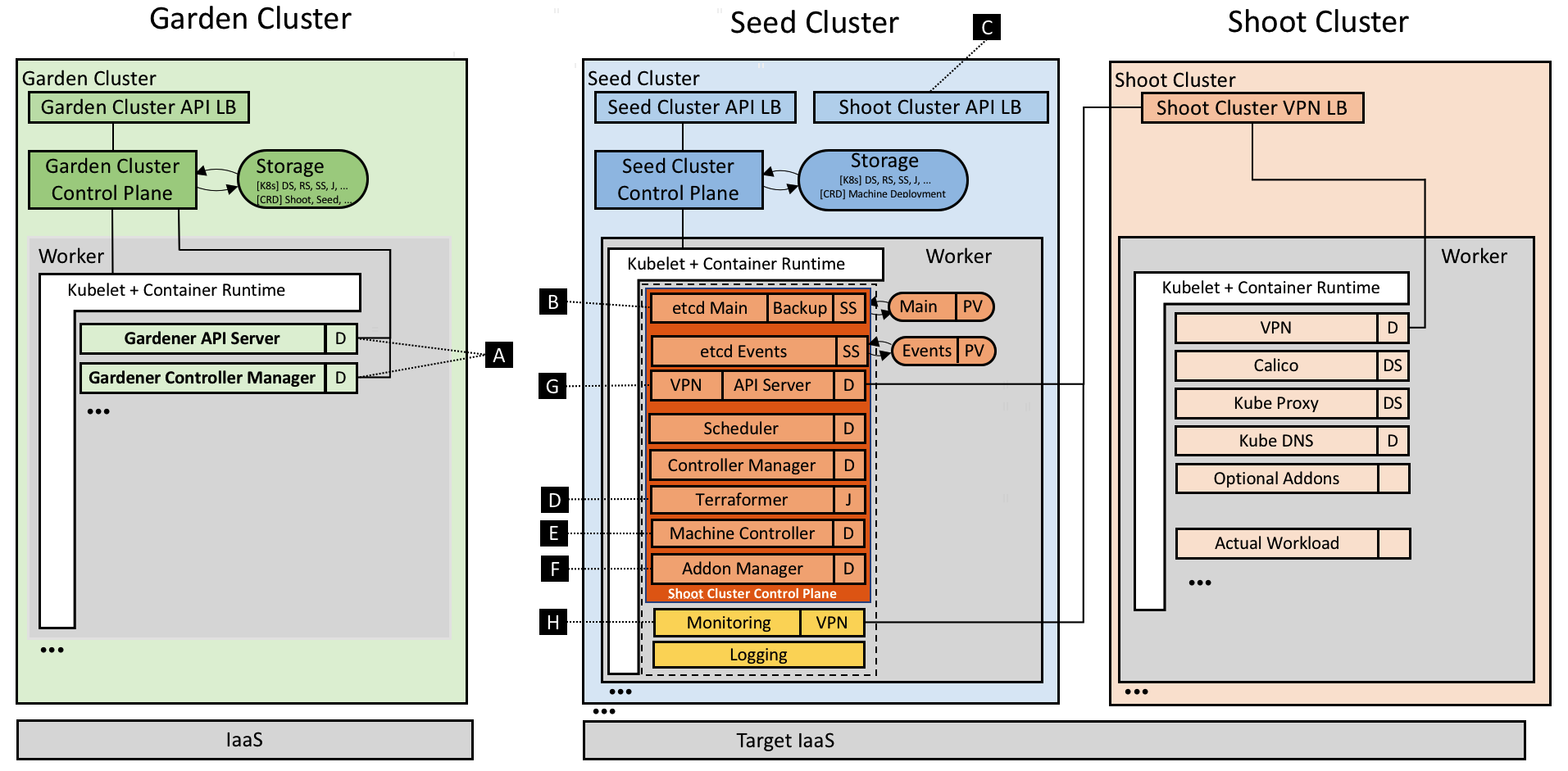

SAP has been investing in a wide range of container projects, including Gardener, a control plane for managing Kubernetes clusters as scale; Kyma, a way to extend Kubernetes to serverless computing frameworks; Infrabox, a continuous integration platform for Kubernetes; and CLA Assistant, a set of tools for managing open source contributor licensing.
Dan Lahl, vice president of product marketing, says SAP is becoming more aggressive about making contributions to the open source community as part of an effort to encourage developers to build applications that access data residing in SAP applications. In effect, Lahl says SAP views open source applications as an opportunity to extend the reach of the SAP ecosystem.
At the same time, SAP, along with SUSE and IBM, have been making the case for essentially rehosting the Cloud Foundry PaaS on top of Kubernetes—an issue the vendors that make up the board of the CFF are currently at loggerheads over.
SAP contends that while the Cloud Foundry PaaS provides one of the best developer experiences available anywhere, standing up the environment today is too complex. Kubernetes dramatically shrinks the amount of infrastructure resources required, in addition to giving organizations the option to deploy the Cloud Foundry PaaS on top of either a virtual machine or a bare-metal server.
It’s unclear just how the battle for control over the Cloud Foundry PaaS will play out just yet. Like the CNCF, the CFF is an arm of The Linux Foundation. The governing board of the CFF includes Pivotal Software, VMware and Dell EMC, all of which are units of Dell Technologies. However, each has a vote on the CFF, in effect creating a voting block with three votes on the CFF board. Other members of the board include IBM, SUSE, SAP, HCL Technologies and Swisscom.
Today, much of the usage of Cloud Foundry is limited to 12-factor applications. Deploying Cloud Foundry on Kubernetes would theoretically increase the appeal of the platform to developers looking to build and deploy a wide variety of applications on Kubernetes. One of the challenges the Kubernetes community now faces is that the developer experience on the platform is not as elegant as it is on existing PaaS environments.
IBM and SUSE have already made Cloud Foundry available on a distribution of Kubernetes. What remains to be seen now is how quickly the rest of the Cloud Foundry community will recognize a transition that at this point is arguably all but inevitable.
Article was updated May 11, 2019