Red Hat Extends Reach of OpenShift Platform

Red Hat today during the online KubeCon + CloudNativeCon North America 2020 conference announced a series of updates that, among other things, further extends the reach of the Red Hat OpenShift platform to edge computing deployments.
A remote worker node capability has been added to the Red Hat OpenShift 4.6 platform based on Kubernetes that makes it possible to centrally manage that node as part of a distributed cluster. Red Hat is making a case for deploying those remote worker nodes on version 8.2 of the Red Hat Enterprise Linux (RHEL) operating system, which has been optimized for edge computing deployments.

The company is also expanding its reach into edge computing use cases by adding an industrial manufacturing blueprint for machine learning and artificial intelligence (AI) application that is being made available as a complete GitOps repository.
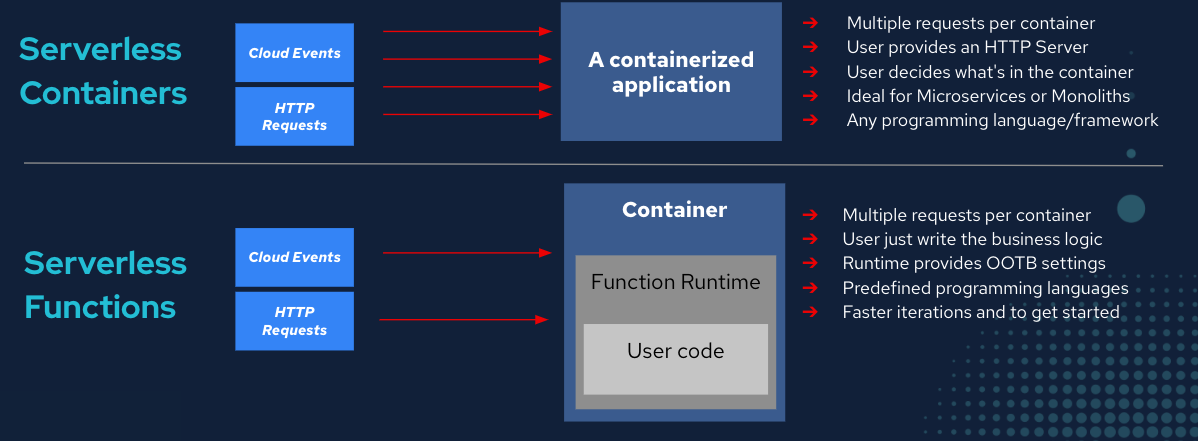
Red Hat is also updating the Red Hat OpenShift Serverless framework based on open source Knative software originally developed by Google to include support for eventing and functions. That capability is designed to make it easier for developers to create more complex event-driven applications using containers.
The company also has updated the OpenShift Virtualization capability to enable legacy monolithic applications designed for virtual machines to run on Red Hat OpenShift, enabling single-click ability to launch virtual machines for running Windows workloads using a set of templates. OpenShift Virtualization is based on open source KubeVirt software for running virtual machines of instances of Kubernetes deployed on bare-metal servers.
In addition, Red Hat Quarkus, a lighter-weight instance of Java that has been optimized for Kubernetes, is now included with Red Hat OpenShift and the platform is now also available on AWS GovCloud and Azure Government Cloud.
Brian Gracely, senior director for product strategy for Red Hat OpenShift, says Red Hat is also committed to supporting previous version of Red Hat OpenShift for up to 18 months to accommodate the needs of enterprise IT organizations that are not able to absorb a steady stream of updates to a core platform.
In general, Red Hat is focused on shielding IT organizations from the underlying complexity of Kubernetes by providing a layer of abstraction that makes it easier to build and deploy cloud-native applications faster, Gracely says. As organizations launch digital business transformation initiatives, the size and scope of containerized applications is increasing. That creates a need to integrate additional capabilities such as support for event-driven applications into the core OpenShift platform, he notes.
Now that most organizations have at least had at least some exposure to Kubernetes, there’s a race on to provide the best application developer experience on the platform. Red Hat has a significant head start over rivals that are just now making alternative application development platforms available on top of a Kubernetes, which is now core to IBM’s hybrid cloud computing strategy.
It’s not clear to what degree Red Hat will be able to maintain that edge, but in terms of reach and scope it’s apparent the Red Hat OpenShift platform is now rapidly expanding across the extended enterprise.