Diagrid Offers Free Trial Edition of Dapr SaaS Service

Diagrid today announced it is offering a free 30-day trial of Conductor Enterprise, a software-as-a-service (SaaS) edition of the open source Dapr runtime platform for deploying microservices on Kubernetes clusters.
The overall goal is to make it simpler to provide development teams with initial access to a platform that makes it simpler to build cloud-native applications using a framework originally developed by Microsoft that is now being advanced under the auspices of the Cloud Native Computing Foundation (CNCF).
Diagrid CEO Mark Fussell said rather than each developer having to write, for example, publish and subscribe code needed to integrate microservices, the Dapr framework provides a reusable alternative that can support multiple programming languages.
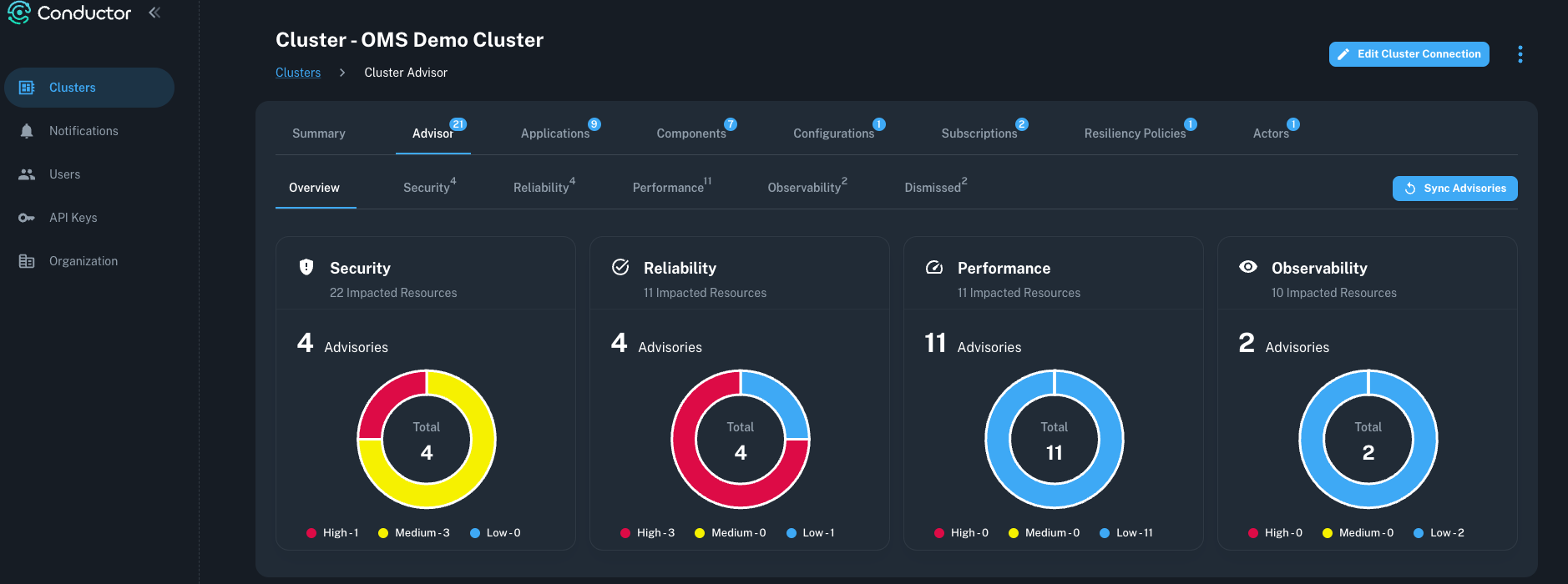
The SaaS platform provided by Diagrid takes that capability a step further by eliminating the need to update Dapr, he added. Instead, Conductor Enterprise provides IT teams with a centralized management console for managing multiple instances of Dapr running on Kubernetes clusters, he added. In addition to automating the deployments of updates to the Dapr runtime, the SaaS platform monitors more than 150 Dapr metrics in real-time to optimize resource utilization and ensure cybersecurity, noted Fussell.
A graph created by Diagrid also provides a dynamic overview of services and infrastructure components employing the Dapr framework.
Dapr is being used today by more than 10,000 developers building cloud-native applications. It’s not clear how much momentum Dapr has in terms of continued adoption. Still, as more Kubernetes clusters are deployed across hybrid IT environments, it’s only a matter of time before developers build more distributed applications. As a runtime capable of spanning those environments, Dapr presents IT teams with a way to build and deploy those applications more easily.
Less clear within IT organizations is who will champion the adoption of a platform such as Dapr. Still, with the rise of platform engineering as a methodology for managing DevOps workflows at scale, it’s apparent more organizations are trying to centralize application development workflow management. There are, of course, multiple paths those teams might pursue to achieve that goal, but a case for including a framework capable of supporting multiple programming languages, including Java and Python, can be made. Otherwise, IT teams will need to provide access to either a similar framework for each programming language employed or support multiple equivalents of custom integration code created by individual developers that they will then need to maintain, noted Fussell.
In general, it’s only a matter of time before more development teams realize they are essentially writing the same integration code over and over again multiple times. At a time when the pressure to deliver cloud-native applications on time is only increasing, Dapr provides a method to accelerate the application development process by eliminating the need to write the same integration code over again. The challenge, as always, is finding someone willing to take on the task of maintaining instances of Dapr that will naturally begin to multiply as more developers decide they would rather spend their time writing business logic versus integration code that, in the final analysis, is yet another tedious task that all too often is simply getting in the way.